


Ks3 Science – Structured Online Support That Turns Curiosity into Confidence
For Year 7–9 students who enjoy Science but find the new level of detail, maths and vocabulary confusing – and need steady support before GCSE really counts.
One-to-one KS3 Science support in Biology, Chemistry and Physics, designed to make the jump into GCSE less scary and more predictable.

Who KS3 Science Support Is For
This page is for you if your child is:
In Year 7, 8 or 9, studying KS3 Science in school.
Interested in Science but confused by the new vocabulary, more complex diagrams and extra maths compared with primary.
Doing okay on some topics but struggling with graphs, calculations, or “explain” questions.
Starting to say things like “I’m just bad at Science” or switching off in lessons when things get too fast.
You don’t want them to hit GCSE Combined or Triple Science with shaky basics in cells, particles, energy, forces and basic chemistry.
If confidence is already very low, or there are big gaps from earlier years, we’ll go more slowly and focus on rebuilding foundations before pushing ahead.
What We Cover in KS3 Science
KS3 Science lays the groundwork for GCSE. Typical focus areas include:
Biology basics
Cells, tissues and organs
Body systems (breathing, circulation, digestion)
Ecosystems, food chains and the environment
Simple inheritance and variation
Chemistry basics
Particles and states of matter
Elements, compounds, mixtures
Simple chemical reactions and word equations
Acids, alkalis and basic patterns in the Periodic Table
Physics basics
Forces, motion and energy
Simple circuits and electricity safety
Light, sound and basic waves
Magnetism and everyday physics ideas
Skills that matter for GCSE
Reading and using graphs & tables
Doing basic calculations (units, simple equations, rearranging when appropriate)
Understanding and describing experiments, variables and fair tests
Using scientific vocabulary without feeling overwhelmed
The exact mix depends on your child’s year group, school scheme of work and starting confidence.
How We Teach KS3 Science at Spacetime
KS3 Science at Spacetime is not just extra facts or copying from slides. We use a clear approach:
Diagnostic first
We look at school books, any tests and a short diagnostic to see where help is most needed – core ideas, maths in Science, graphs/data, or confidence.
Make ideas make sense first
We explain topics using simple models, diagrams and everyday examples, so your child sees what’s really going on, not just which words to memorise.
Add vocabulary and simple maths on top
Once the idea is clear, we add the key scientific words and, where appropriate, the basic maths (simple equations, units, reading scales and graphs).
Practise with realistic questions
We use questions that look and feel like school and early GCSE – short answers, diagrams, “explain” questions, simple calculations and data tasks.
Build habits that carry into GCSE
We help students get used to reading questions carefully, underlining key information, planning their answer and checking the basics before they move on.
Lessons are live, one-to-one, and designed to leave your child feeling more capable and curious, not more stressed.
KS3 Science Packages
We don’t sell endless hourly lessons. KS3 Science support is offered through clear packages with a fixed number of lesson credits, a recommended time frame and a sensible expiry.
That way there’s enough flexibility for real life, but not so much that momentum disappears.
You’ll choose the exact package in your Grade Roadmap Meeting or on our booking pages, but this is the basic structure:
1. KS3 Science Topic Mastery Pack
Best for:
Students who are mostly okay but have one weak topic or skill that keeps coming up – for example, cells, particles, energy, simple circuits, graphs or basic calculations in Science.
What it does:
Targets one main topic or tight cluster (e.g. Cells, Particles, Energy & Forces basics, Circuits, Graphs & Data).
Rebuilds understanding with clear explanations, diagrams and guided examples, then moves into focused practice questions.
Aims to turn that topic from “I don’t get this” into “I know how to start and what to say.”
Typical size & pace:
Each Topic Mastery pack has its own number of lessons, depending on the topic and starting point.
Most packs are designed to run over roughly 4–6 weeks of consistent lessons.
Expiry & why (approx.):
Expiry: 60 days from the first lesson.
The teaching plan assumes 4–6 weeks; 60 days gives a bit of flex for illness and school events while keeping the pack short and focused so momentum isn’t lost.
If you’re not sure which topic is the real bottleneck, you can always book a Grade Roadmap Meeting first and we’ll recommend the right pack.
4. KS3 Science Full Mastery Programme
Best for:
Students who have time (ideally starting in Year 7, 8 or early Year 9) and need steady, long-term support across Biology, Chemistry and Physics so GCSE Combined or Triple Science doesn’t arrive as a shock.
What it does:
Provides a longer route to gradually lift understanding across all three sciences, plus graphs and basic maths.
Runs alongside school, helping students keep up with the scheme of work while regularly revisiting key ideas so they actually stick.
Includes regular checkpoints (short tests, mini practical-style questions, data tasks) so you can see progress over months, not just lesson by lesson.
Typical size & pace:
Usually around 20–24+ lessons over roughly 20–24 weeks (about 5–6 months), with difficulty and emphasis adjusted to year group and confidence.
Expiry & why (approx.):
Expiry: 240 days from the first lesson.
The teaching plan assumes a 20–24 week runway, but 240 days (around 8 months) allows for holidays, school events and life, while still keeping the programme moving.
For most Full Mastery routes, we recommend booking a Grade Roadmap Meeting before making a final decision.
3. KS3 SCience Core Skills Programme
Best for:
Students whose Science is patchy across several areas – content, graphs and basic maths – and who need a short, structured run of lessons to stabilise core Science skills before GCSE starts.
What it does:
Builds a small, repeatable Science skills toolkit:
understanding key ideas in Biology, Chemistry and Physics,
reading and drawing simple graphs,
using basic equations and units.
Balances content understanding with practice in questions that look like early GCSE, so skills transfer smoothly later.
Helps Science lessons at school feel less stressful because the basics are no longer so shaky.
Typical size & pace:
Usually around 10–12 lessons over 10–12 weeks, adjusted to your child’s year group and starting point.
Expiry & why (approx.):
Expiry: 120 days from the first lesson.
The teaching plan assumes a 10–12 week programme, but 120 days (around 4 months) gives enough flex for half-term, school trips and illness, while keeping it focused and time-bound.
If you’re unsure whether to start with Topic Mastery or Core Skills, book a Grade Roadmap Meeting and we’ll help you choose.
2. KS3 Science Catch-Up & Confidence Builder
Best for:
Students in Year 7–9 who have fallen behind in Science or lost confidence – maybe after missing key topics, struggling with tests, or finding the jump from primary to secondary Science overwhelming. Ideal when they need a solid reset across Biology, Chemistry and Physics, but aren’t ready for a full long-term programme yet.
What it does:
Helps students repair the most important gaps in KS3 Science so lessons stop feeling confusing and rushed.
Focuses on core ideas and skills that everything else sits on: particles, simple reactions, cells, body systems, forces, energy, basic graphs and using scientific language properly.
Blends catch-up on missed basics with support on what they are doing in school now, so they feel more secure answering questions, interpreting diagrams and handling short written answers.
Typical size & pace:
Usually around 10–12 lessons over roughly 10–12 weeks (about a term), with the balance of Biology/Chemistry/Physics adjusted to the student’s strengths, weak areas and school scheme of work.
The aim is a strong reset: enough time to see real change in understanding and confidence, without committing to a full-year programme.
Expiry & why (approx.):
The teaching plan assumes a 10–12 week runway, but 120 days (around 4 months) allows for illness, trips, school events and holidays, while still keeping the pace tight enough that progress stays joined-up from one lesson to the next.
If you’re unsure whether this or another KS3 package is the best starting point, you can book a free Grade Roadmap Meeting first and we’ll recommend the right route.
Who Will Teach KS3 Science?
KS3 Science at Spacetime is taught by educators who focus on 11–16 Science, so younger students get support that matches both classroom expectations and the path into GCSE.

KS3 & GCSE Science Educator: Saurabh Yadav (Qualified Teacher)
Saurabh works with KS3 Science and GCSE Combined/Trilogy Science. He focuses on:
Building strong Science foundations in Year 7–11 so new topics feel less overwhelming.
Helping students who need a steadier pace and more repetition to gain confidence with key ideas and skills.
Making sure core concepts are secure before moving on to higher-demand questions.
This way, KS3 Science students work with educators who spend most of their time on 11–16 Science content and skills, and who understand how to bridge into GCSE Combined and Triple Science when the time comes.
How the Grade Roadmap Meeting works for KS3 Science
For KS3 Science enquiries:
Your Grade Roadmap Meeting will normally be with a senior educator who will ask about school reports, confidence and any specific worries.
In that call, you’ll decide whether to start with a Topic Mastery Pack, a Core Skills Programme, or a Full Mastery Programme, based on your child’s age, starting point and plans for Science at GCSE.
If your family also needs support for KS3 Maths or English, or GCSE Science/Maths, we’ll match those lessons with the most suitable educator from the wider Spacetime team.
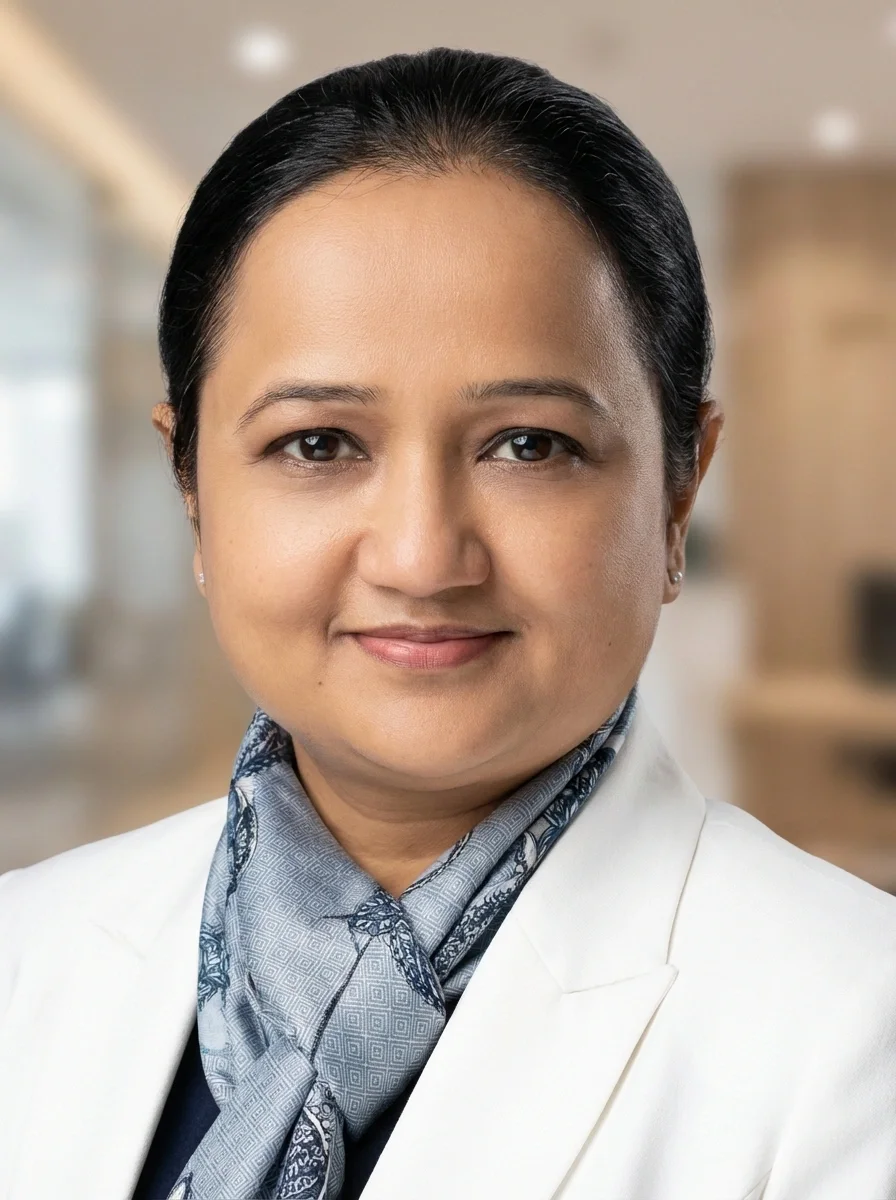
KS3 & GCSE Science Educator: Riddhi Kunchwar (Qualified Teacher)
Riddhi teaches GCSE Science and A-Level Biology/Chemistry, and supports selected KS3 students who are likely to continue into higher-level Science. She focuses on:
Making heavier topics feel manageable through clear explanations, diagrams and step-by-step reasoning.
Helping students who get lost in content and terminology to see the bigger picture before learning the detail.
Quietly building the habits that will be needed later for GCSE and A-Level Science.
Results, Proof & Next Steps
We don’t promise specific grades at KS3 – but we do:
Focus on skills, understanding and confidence that carry directly into GCSE Science.
Share patterns from students who’ve used Topic Mastery, Core Skills and Full Mastery routes and then moved into GCSE more steadily.
Be honest about what’s realistic in the time and situation you have.
You can see examples of Science and Maths stories on our Results page, or you can go straight to a Grade Roadmap Meeting to talk about your child.